


What Kids Really Need From Their Parents: A Conversation With My Dad
Watch on YouTube
Would you rather watch the conversation than listen to or read it? If so, catch it on YouTube!
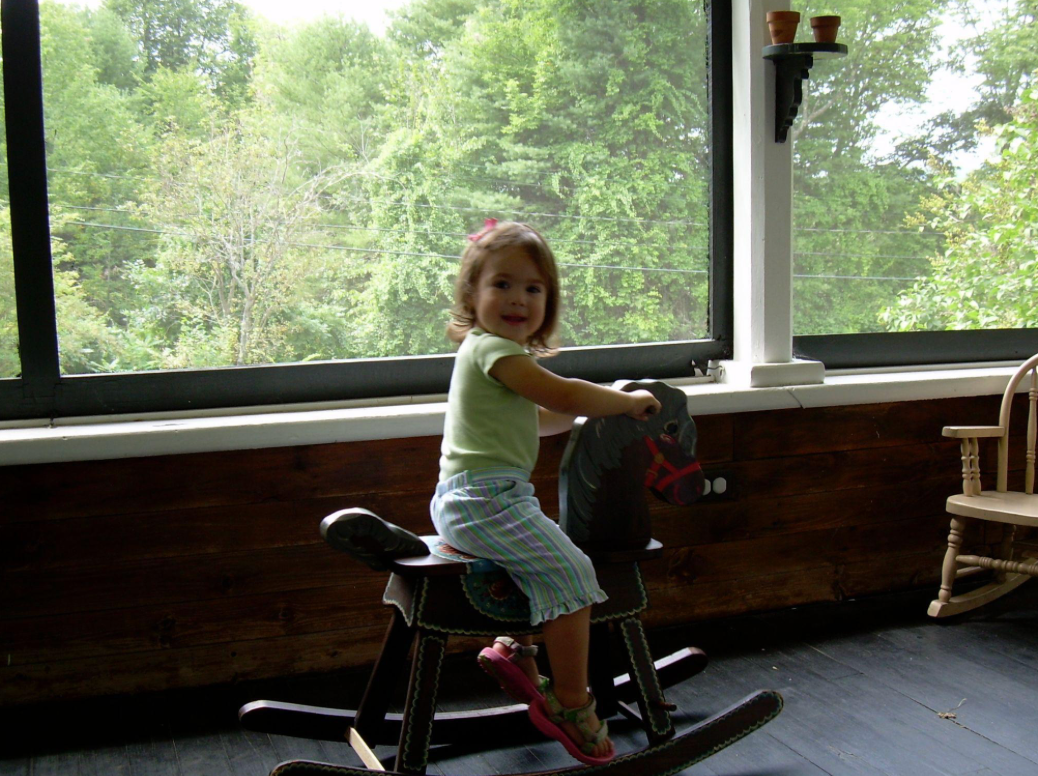
My grandfather taught it to my father. My father taught it to me. And, one night in Maine, my three-year-old daughter managed to explain it to all of us.
Many of the parenting ideas I talk about didn’t originate with me. I learned a great deal from my father, Dr. David Gill, a psychiatrist who has spent nearly fifty years working with patients, families, and other professionals. And many of the ideas I learned from him came, in turn, from his own father. So when I recently had my dad on the podcast, I wanted to talk not only about his approach to parenting, but about where that approach came from and how it had evolved over a lifetime.
One of the themes that emerged from our conversation was something I’ve written about before: the ultimate goal of parenting is to make ourselves increasingly unnecessary. As children grow, they should gradually become more capable of handling their own problems, making their own decisions, and functioning without us. We don’t become unnecessary as people they love or turn to for advice, of course. But we should become less necessary for the day-to-day business of managing their lives.
My father extends this idea beyond parenting. Teachers, therapists, mentors, coaches, and even good friends can serve a similar function. At our best, we help someone develop the skills and confidence to manage without us. Success isn’t measured by how indispensable we become. In many ways, it’s measured by the opposite.
Maximum Support, Minimum Interference
My grandfather had a particularly concise way of describing this philosophy: maximum support, minimum interference. My father learned it from him, and I eventually learned it from my father.
The support part is important. Children need to know that we’re available. They need emotional support when they’re overwhelmed and practical help when they’re facing something they genuinely aren’t equipped to handle. But support doesn’t mean removing every difficulty before they encounter it. In fact, doing too much for children can interfere with the very development we’re trying to encourage.
My father described the ideal parental position as being on the sidelines—available as a resource and ready to step in when necessary, but otherwise allowing the child to play the game. His somewhat more colorful version was that parents should occasionally jump in if there’s “blood on the gym floor.” The point isn’t that we should ignore our children. It’s that we shouldn’t confuse helping them with continually rescuing them.
This is one of the hardest judgments in parenting. When our children struggle, our instinct is often to make the struggle go away. Sometimes that’s exactly what they need. Other times, what they need most is the opportunity to discover that they can handle the problem themselves.
If You Can’t Say No, You Can’t Say Yes
My father also told a story from early in his career that affected both the way he practiced psychiatry and the way he thought about parenting. As a young psychiatrist, he wanted to help everyone. He also recognized, looking back, that he wanted people to like him. That made it difficult at times to distinguish what someone actually needed from what would make them happy with him in the moment.
A colleague gave him an article with a title that stayed with him: “If you can’t say no, you can’t say yes.”
It’s a deceptively simple idea. If we aren’t willing to say no when no is appropriate, then saying yes doesn’t reflect much of a judgment. It simply means that we say yes. And this is particularly relevant to parenting. Granting every request may feel loving and generous, but children need parents who are willing to tolerate their disappointment and make decisions based on what they actually need.
This doesn’t mean that good parenting is rigid or authoritarian. It means that our children’s immediate approval can’t be the standard by which we judge our parenting. Sometimes the loving answer is yes, and sometimes it is no. Both answers mean more when children know that we’ve actually considered the question.
If I Cry or Need You, You Will Come
Perhaps the best illustration of my father’s philosophy didn’t come from him, his father, or fifty years of psychiatric practice. It came from my daughter when she was three years old.
My daughter was spending her first night ever away from her parents at my parents’ place in Maine. As bedtime approached, she became increasingly serious about the arrangement. She established where everyone would sleep: she would be in one place, her grandmother in another, and her grandfather in another. Then she announced, “And if I cry or need you, you will come.”
My father was struck by the distinction she had made. If she cried, she wanted reassurance. If she truly needed them, she expected them to help. But she wasn’t asking either of them to stay beside her or prevent her from facing the experience on her own. She simply needed to know that they would be there if things became too much.
My father’s interpretation of what she was telling them was essentially: I’ve got this. If I need you, I’ll let you know. In the meantime, stay out of my way and let me grow up.
That story eventually became the basis for the title of his book, If I Cry or Need You, You Will Come. It also captures something fundamental about parenting. Children need both security and independence, and those aren’t opposing goals. In fact, the first can make the second possible. Knowing that someone will come when you truly need them can give you the confidence to venture out on your own.
Knowing When to Get Out of the Way
Near the end of our conversation, my father talked about approaching patients during some of the worst moments of their lives with what he described as a “confident parental smile.” He wasn’t suggesting that their circumstances were funny or trivial. The smile communicated something quite different: We can do this.
I think that’s also a useful way to think about what children need from us. They don’t always need us to solve the problem. Sometimes they need to see that we’re not frightened by the fact that there is a problem. Our confidence in their ability to cope can eventually become part of their own confidence.
Parenting is unusual because there’s no real point at which we clock out. Teachers, therapists, coaches, and other mentors eventually go home. Parents are already home. As my father put it, you essentially “rent” a child for eighteen years, but if you do the job reasonably well, you may end up with a friend for life.
That doesn’t require perfect parenting. It requires showing up, providing support when it’s genuinely needed, setting limits when they’re necessary, and gradually having the confidence to get out of the way.
Maximum support, minimum interference.
My grandfather taught it to my father. My father taught it to me. And, one night in Maine, my three-year-old daughter managed to explain it to all of us.